
In today’s fast-changing business environment, HR leaders are no longer just people managers they are strategic decision-makers. The rise of Pedro Paulo Executive Coaching: Transform CHRO Leadership reflects this major shift toward stronger, business-driven HR leadership. CHROs are now expected to influence strategy, drive performance, and lead workforce transformation with confidence.
However, many HR executives still struggle with boardroom influence, data-driven decisions, and long-term strategic thinking. This is where executive coaching becomes essential for building modern leadership capabilities. It helps CHROs develop clarity, emotional intelligence, and stronger decision-making skills to succeed in complex business environments.
Must Read: Betterthisworld Betterthistechs News: Real Tech Impact Guide 2026
Pedro Paulo Executive Coaching
Pedro Paulo Executive Coaching is a structured development approach designed to strengthen HR leaders and senior executives. It focuses on building strategic HR leadership by improving decision-making, emotional intelligence, and business alignment. The coaching helps CHROs move beyond traditional HR roles and become key drivers of organizational success. It is especially effective for leaders managing complex workforce transformation initiatives.
This coaching model blends personalized guidance with real business challenges to create measurable outcomes. It supports leaders in improving boardroom influence, team performance, and HR leadership development. By focusing on clarity, accountability, and continuous feedback, it enables leaders to perform with confidence in high-pressure environments. The result is stronger leadership effectiveness and long-term organizational impact.
The Strategic CHRO
The Strategic CHRO plays a critical role in shaping the direction of modern organizations. Unlike traditional HR roles, today’s CHROs actively contribute to business growth, innovation, and long-term planning. They ensure that people strategies are fully aligned with company goals and market demands. This shift reflects the rise of strategic HR leadership as a core business function.
A Strategic CHRO is not just an HR manager but a key business partner at the executive level. They influence decisions related to talent, culture, and organizational transformation. Their role includes improving workforce efficiency, supporting leadership development, and driving organizational leadership growth. This makes them essential to sustainable business success and competitive advantage.
Understanding the Evolving Role of Chief Human Resources Officers
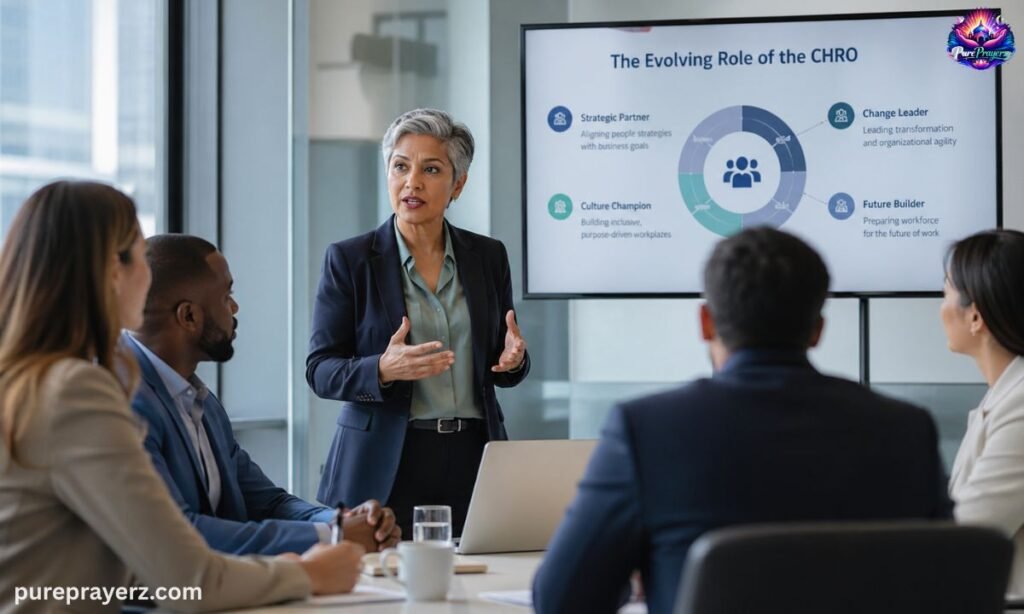
The role of Chief Human Resources Officers has transformed significantly. Earlier, HR leaders focused mainly on compliance, policies, and administrative work. Pedro Paulo Executive Coaching today, they are expected to contribute directly to business growth and strategy.A modern Strategic CHRO plays a critical role in shaping company direction.
They are responsible for aligning people strategy with business goals, improving workforce performance, and ensuring long-term organizational success.This shift reflects a deeper integration of strategic HR leadership into core business decisions. HR leaders now sit at the executive table, influencing revenue growth, innovation, and company culture.
To better understand this transformation, consider the comparison below:
| Traditional HR Role | Strategic CHRO Role |
| Policy enforcement | Business strategy input |
| Compliance management | Talent pipeline planning |
| Reactive problem-solving | Proactive workforce design |
| Administrative oversight | Revenue-linked decision making |
Shifting Expectations for HR Leadership
The expectations for HR leadership have changed significantly as organizations demand more strategic and business-focused roles from CHROs. Modern leaders are now expected to go beyond administration and actively contribute to business growth and transformation. This shift requires stronger strategic HR leadership and advanced decision-making skills.
- Moving from operational HR tasks to strategic business partnership
- Taking ownership of workforce transformation initiatives
- Driving employee engagement leadership and organizational performance
- Supporting data-driven and future-focused HR strategies
From Operational to Strategic Partner
HR leadership has shifted from routine administrative work to becoming a key driver of business strategy. Today’s CHROs actively contribute to decision-making, workforce planning, and organizational growth. This transformation reflects the rise of strategic HR leadership in modern enterprises.
| Operational HR Role | Strategic HR Partner Role |
| Focus on tasks and compliance | Focus on business outcomes |
| Reactive problem-solving | Proactive strategy building |
| Administrative execution | Strategic decision influence |
| Limited business input | Direct boardroom contribution |
Key Competencies for Today’s CHROs
Today’s CHROs need a strong mix of strategic thinking, emotional intelligence, and business understanding to lead effectively. They must align HR strategy with business goals while managing change and workforce transformation. These competencies help them drive stronger organizational impact and long-term leadership success.
Core competencies include:
- Strategic thinking for HR leaders
- Emotional intelligence in leadership
- People data literacy
- Performance management leadership
- Change management in HR
Key Leadership Challenges Faced by HR Executives
HR Pedro Paulo Executive Coaching today face complex challenges as their roles expand beyond traditional human resource functions into strategic business leadership. They are expected to drive strategic HR leadership while managing workforce transformation, talent pipelines, and organizational change. This growing responsibility increases pressure on decision-making and execution.
At the same time, CHROs must balance employee needs with business expectations, often with limited resources and rising uncertainty. Issues like boardroom influence, succession gaps, and data-driven decision-making add further complexity. These challenges require stronger leadership skills and continuous development to achieve long-term success.
Facing the Pressures of Modern HR Leadership
Modern HR leaders operate in a highly demanding environment where expectations from employees, executives, and business goals constantly increase. They must balance people management with strategic business priorities while handling rapid organizational change. These pressures make strategic HR leadership more complex than ever before.
- Managing workforce transformation under tight deadlines and expectations
- Balancing employee engagement with business performance targets
- Handling remote workforce management challenges effectively
- Maintaining boardroom accountability and executive alignment
Key Obstacles for HR Executives
HR executives often struggle with limited boardroom influence, making it difficult to shape strategic business decisions effectively. Pedro Paulo Executive Coaching also face challenges in managing workforce transformation while balancing employee needs and organizational goals. In addition, gaps in HR analytics decision making and succession planning can slow down long-term leadership growth.
HR leaders face several critical challenges that impact their effectiveness:
| Challenge | Business Impact | Coaching Solution |
| Boardroom influence | Exclusion from key decisions | Executive presence development |
| Team disengagement | High turnover, low productivity | Emotional mastery coaching |
| Data confidence gaps | Poor HR analytics decision making | 360-degree feedback integration |
| Change resistance | Failed transformation initiatives | Change management in HR frameworks |
| Succession gaps | Weak internal pipelines | Developing future leaders in HR |
These challenges highlight the need for structured executive coaching for HR leaders.
Why These Challenges Matter
These challenges directly affect how effectively HR leaders contribute to business growth and organizational stability. When CHROs struggle with strategy, data, or leadership influence, it weakens overall strategic HR leadership impact. Addressing them is essential to improve decision-making, employee engagement, and long-term workforce success.
How Executive Coaching Can Support HR Leaders

Pedro Paulo Executive Coaching provides HR leaders with structured guidance to improve decision-making, communication, and leadership clarity. It strengthens strategic HR leadership by helping CHROs align people strategies with business goals more effectively. This support enables leaders to handle complex challenges with confidence and precision.
It also helps HR executives develop critical skills like emotional intelligence, change management in HR, and boardroom influence. Through continuous feedback and personalized development, leaders improve performance and build stronger organizational impact. The result is more effective leadership and sustainable business growth.
Unlocking Leadership Potential Through Executive Coaching
Pedro Paulo Executive Coaching helps HR leaders unlock their hidden strengths and turn potential into measurable performance. It builds clarity in thinking, improves decision-making, and strengthens overall strategic HR leadership. This process transforms good leaders into highly effective and future-ready CHROs.
- Enhances leadership confidence in complex business situations
- Improves strategic thinking and long-term decision-making
- Strengthens communication and executive presence in leadership roles
Must Read: Whatutalkingboutwillis Gift Guide: Unique Ideas 2026
The Approach of Pedro Paulo Executive Coaching
The approach of pedro paulo executive coaching is designed to strengthen HR leaders through practical, structured, and goal-oriented development. It focuses on real business challenges such as strategic HR leadership, boardroom influence, and workforce transformation initiatives. Every session is aligned with measurable leadership outcomes and long-term organizational growth.
This coaching approach blends insight, feedback, and action-based learning to improve decision-making and leadership clarity. It helps CHROs build confidence in complex situations while improving communication and execution. The result is stronger leadership effectiveness and better alignment between HR strategy and business goals.
Personalized Coaching for Strategic HR Leadership
Personalized Pedro Paulo Executive Coaching focuses on the unique strengths, challenges, and goals of each HR leader to build stronger strategic HR leadership capabilities. It aligns leadership development with real business needs, including workforce transformation and boardroom influence. This tailored approach helps CHROs grow with clarity, confidence, and measurable impact in their organizations.
Data-Driven Insights and 360-Degree Feedback
Direct Reports (Team Feedback)
↓
Peers (Colleagues) → CHRO 360° Insight View ← Senior Leadership Feedback
↑
Self-Evaluation (Internal Reflection)
Data-informed leadership in HR begins with transparent and structured feedback. A 360-degree feedback system provides Chief Human Resources Officers with a complete and balanced perspective of their performance. Pedro Paulo Executive Coaching highlights core strengths they can build on while also revealing blind spots that may limit leadership effectiveness.
This process transforms subjective self-assessment into a clear, actionable development roadmap. It strengthens HR analytics decision making and supports more confident, evidence-based leadership growth.
Building Emotional Intelligence and Emotional Mastery
Building emotional intelligence and emotional mastery is a core focus of executive coaching for HR leaders. It helps leaders understand their own emotions and respond better to workplace challenges. This directly improves employee engagement leadership and strengthens team relationships.
Understanding emotions — recognizing how feelings shape leadership decisions
Managing reactions — staying calm and thoughtful in high-pressure situations
Strengthening awareness — identifying emotional triggers in workplace challenges
Improving empathy — connecting deeply with team needs and concerns
Enhancing communication — building trust through clear and respectful dialogue
Developing resilience — maintaining stability during change and uncertainty
Strategic Thinking and Long-Term Growth
Strategic thinking helps HR leaders move beyond daily operations and focus on long-term business success. It strengthens their ability to align HR strategy with overall company goals and future workforce needs. This mindset supports sustainable growth and better decision-making in complex business environments.
This includes:
- Long-term workforce planning
- Aligning HR with business strategy
- Leading transformation initiatives
Execution Excellence and Team Engagement
Execution excellence ensures that HR strategies are not just planned but successfully delivered with consistency and impact. Strong leaders improve HR initiative completion rates by aligning teams with clear goals and responsibilities. This also strengthens employee engagement leadership, leading to more motivated and productive teams.
Real-World Impact: Case Examples and Outcomes

Pedro Paulo Executive Coaching delivers clear and measurable results for HR leaders in real business situations. Many CHROs improve their boardroom influence, making stronger contributions to strategic decisions. This leads to better alignment between people strategy and overall business goals.
Organizations also see higher employee engagement and improved team performance after coaching. Leaders become more confident in decision-making and handle change more effectively. These outcomes show how coaching drives real growth in leadership and business success.
From Leadership Challenges to Tangible Business Results
Pedro Paulo Executive Coaching turns real leadership challenges into measurable business improvements. Below are four practical case examples showing how HR leaders transform performance through focused development and guidance.
Case 1: From Boardroom Exclusion to Strategic Influence
A senior HR Pedro Paulo Executive Coaching struggled with low boardroom visibility and limited input in strategic decisions. Through executive presence development and structured coaching, the leader learned how to communicate with clarity and confidence. Within months, they became a trusted voice in executive meetings, contributing directly to strategic HR leadership decisions that shaped company direction.
Case 2: From Disengaged Teams to High Performance Culture
An HR Pedro Paulo Executive Coaching leader faced declining employee engagement and rising turnover. Coaching focused on emotional intelligence in leadership and communication skills. By improving trust and team connection, the leader achieved stronger employee engagement leadership, resulting in improved morale and reduced attrition across departments.
Case 3: From Poor Data Use to Confident Decision-Making
A CHRO lacked confidence in using HR analytics for decision-making. With guidance on HR analytics decision making and people data literacy, the leader began using dashboards and 360-degree feedback effectively. This shift improved workforce planning and strengthened data-driven decision making in HR leadership.
Case 4: From Weak Succession Planning to Future Leadership Pipeline
An organization had clear succession planning gaps, creating leadership uncertainty. Coaching helped the HR executive design structured developing future leaders in HR programs. Over time, internal talent pipelines improved, ensuring smooth leadership transitions and long-term organizational stability.
Key Outcomes Observed in Practice
Pedro Paulo Executive Coaching leads to stronger leadership effectiveness, improved decision-making, and better alignment between HR strategy and business goals. It also enhances employee engagement, reduces burnout, and supports smoother succession planning across organizations.
The impact of coaching can be measured clearly:
| Outcome Area | Observed Impact |
| Strategic influence | Greater C-suite involvement |
| Team engagement | Measurable satisfaction improvements |
| Decision confidence | Faster, clearer leadership choices |
| Emotional resilience | Reduced burnout rates |
| Execution | Higher HR initiative completion rates |
Must Read: TechView TheGameArchives: Hidden Secrets of Game History
Tips for Choosing the Right Executive Coaching Program
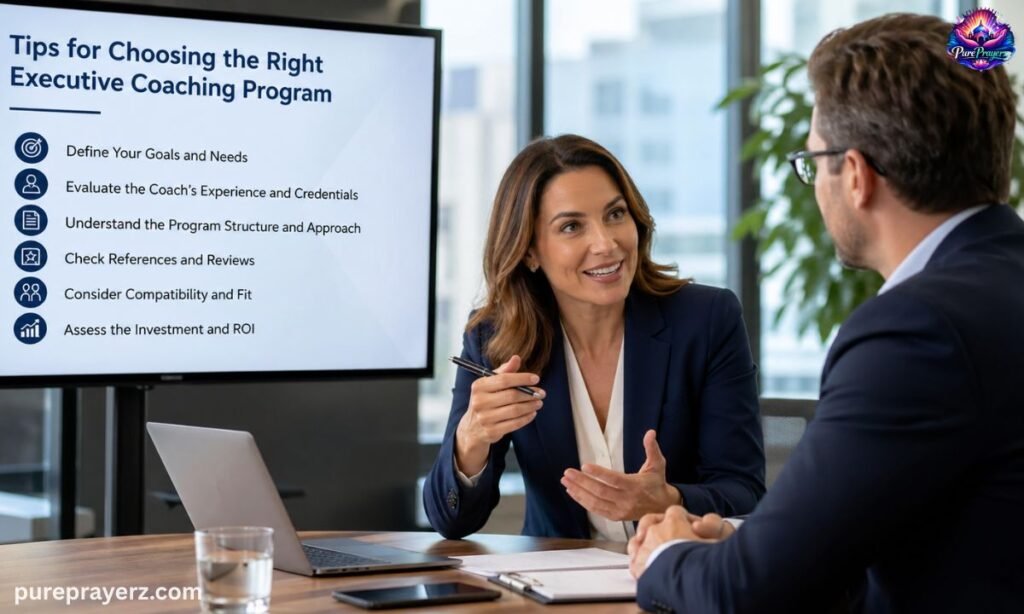
Choosing the right executive Pedro Paulo Executive Coaching program is important for long-term leadership growth. HR leaders should focus on programs that align with their business goals and support strategic HR leadership. A well-designed coaching program helps improve decision-making, emotional intelligence, and overall leadership effectiveness.
The best programs combine personalized coaching, data insights, and practical learning methods. Pedro Paulo Executive Coaching should support real-world challenges like workforce transformation and boardroom influence. A strong coaching approach ensures better performance, higher engagement, and measurable business results.
6 Tips to Choose the Right Program
- Define clear goals for your leadership development and business impact
- Choose programs that offer personalized coaching plans
- Look for 360-degree feedback and data-driven insights
- Ensure the coach has experience in senior HR executive coaching
- Focus on programs that improve emotional intelligence and strategic thinking
- Select coaching that tracks measurable outcomes and performance growth
Frequently Asked Questions
What is Pedro Paulo Executive Coaching?
It is a structured Pedro Paulo Executive Coaching program for HR leaders that improves strategic thinking, emotional intelligence, and leadership effectiveness for better business alignment and decision-making.
How does executive coaching help CHROs?
It helps CHROs improve boardroom influence, enhance HR analytics decision making, build leadership confidence, and align HR strategy with overall business goals.
What skills does executive coaching develop in HR leaders?
It develops emotional intelligence, strategic thinking for HR leaders, change management in HR, people data literacy, and executive presence development.
Why is strategic HR leadership important today?
Strategic HR leadership ensures HR leaders contribute to business growth, workforce transformation, and organizational success instead of only handling administrative tasks.
What challenges do CHROs commonly face?
Common challenges include succession planning gaps, low boardroom influence, employee disengagement, and difficulty in managing remote workforce transformation effectively.
What are the benefits of executive coaching for HR executives?
Benefits include improved leadership effectiveness, better employee engagement leadership, stronger decision-making, and higher HR initiative completion rates across organizations.
Conclusion
Pedro Paulo Executive Coaching is reshaping how Chief Human Resources Officers lead in modern organizations. It moves HR leaders beyond traditional roles and helps them become true strategic partners in business growth. Through focused development in emotional intelligence, strategic thinking, and decision-making, CHROs gain the confidence to lead complex transformations. This shift creates stronger alignment between people strategy and business success.
In today’s competitive environment, effective leadership is not optional it is essential. With structured coaching, HR executives improve boardroom influence, build high-performing teams, and drive measurable outcomes. The result is stronger strategic HR leadership, better employee engagement, and sustainable organizational growth. Ultimately, this transformation turns HR leaders into powerful catalysts of long-term business success.