
In today’s fast-paced development ecosystem, choosing the right framework can dramatically impact productivity, scalability, and performance. bvostfus python is emerging as a modern Python development framework designed to simplify complex workflows through modular design, unified configuration, and efficient dependency management. This guide explores everything you need to know from installation and system requirements to resolving common issues and optimizing performance.
You’ll also learn how it supports backend automation workflows, machine learning projects, and scalable applications. Whether you’re a beginner or an experienced developer, this article provides practical insights, structured guidance, and real-world use cases to help you leverage this powerful framework effectively in 2026 and beyond.
What Is Bvostfus Python?
Bvostfus Python is a modern Python development framework built to streamline how developers manage projects, dependencies, and environments. At its core, it focuses on simplifying complex development processes through a modular Python architecture and a unified configuration system. This means developers can build, scale, and maintain applications without constantly worrying about environment conflicts or messy codebases.
Unlike traditional setups, Bvostfus introduces bvostfus-env, a specialized system for Python environment isolation. This ensures that each project operates independently, avoiding version clashes and dependency issues. It also integrates seamlessly with tools like setuptools and standard Python workflows.The framework is particularly valuable for teams working on large-scale or collaborative projects.
By enforcing structure and consistency, it aligns with modern Python development best practices. Developers can easily manage dependencies using tools like requirements.txt, implement version pinning, and maintain reproducibility across environments.In simple terms, Bvostfus, Python acts as a bridge between flexibility and structure. It allows developers to focus on building features rather than troubleshooting setup issues, making it a strong choice for both beginners and professionals.
Must Read: Unlock Digital Efficiency with 2579xao6 New Software Name
Core Features of Bvostfus Python
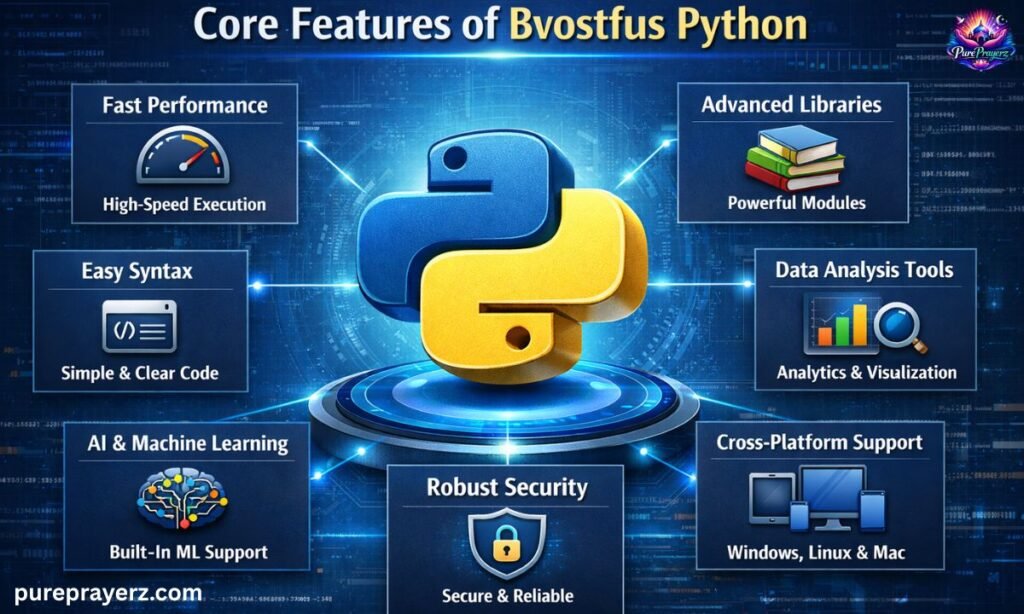
The framework is designed to simplify modern development through a modular Python architecture that promotes clean and reusable code. It includes a unified configuration system that reduces setup complexity and improves workflow efficiency. Built-in Python performance optimization tools help developers monitor and improve application speed effectively.
Below is a breakdown of its key features and their benefits:
| Feature | Benefit |
| Unified Config | Faster project setup |
| Modular Design | Cleaner, reusable code |
| Built-in Profiling | Easier performance debugging |
| Virtual Environment | Zero dependency conflicts |
| Task Automation | Saves development hours |
These features are not just technical add-ons they directly impact how efficiently developers can work. For example, the unified configuration allows teams to standardize setups across multiple environments, reducing onboarding time for new developers.The modular Python architecture encourages code reusability, making it easier to scale applications.
Meanwhile, built-in support for Python profiling tools usage like cProfile and line_profiler enables developers to identify bottlenecks and apply Python runtime optimization techniques.Another major advantage is its support for automation scripts in Python.
Developers can create task pipelines and scheduled scripts, which are especially useful for backend systems and data processing workflows.Overall, these features make Bvostfus, Python a powerful framework for building scalable Python applications with minimal friction.
How to Install Bvostfus Python
Installing this framework requires a properly prepared Python environment to ensure smooth setup and avoid dependency issues. Start by creating a bvostfus-env for proper Python environment isolation and make sure your system has updated tools like pip and setuptools. This helps prevent conflicts during installation.
Once the environment is ready, install the package using pip install bvostfus with proper Python dependency management in place. Always verify dependencies through requirements.txt to ensure everything is correctly configured. This structured approach ensures a clean and error-free installation process.
System Requirements
This framework requires a properly configured system to ensure smooth installation and stable performance. It works best with a modern Python version and supports structured Python dependency management for reliable execution. Adequate system resources are important to avoid slowdowns and runtime issues.
Before setup, ensure your system meets all minimum requirements for smooth operation. This helps maintain proper Python environment isolation using bvostfus-env and prevents common installation errors. A well-prepared system ensures a stable and efficient development experience.
Before installing Bostfus Python, it’s important to ensure your system meets the following requirements:
| Requirement | Details |
| Python Version | 3.6 or higher |
| Operating System | Windows 10/11, macOS 12+, Ubuntu 20.04+ |
| Disk Space | Minimum 500 MB |
| RAM | 4 GB recommended |
| Dependencies | pip, virtualenv, setuptools |
These requirements ensure smooth installation and performance. Having the correct Python version is especially critical, as compatibility issues can lead to bvostfus python problems later.
Installation Steps
Installing Bvostfus, Python requires a structured setup process to ensure a stable and conflict-free development environment. By following a step-by-step approach, developers can properly configure bvostfus-env, manage Python dependency management, and avoid common installation issues. This ensures smooth execution of projects with minimal setup errors.
10 Installation Steps
- Install Python 3.6 or higher on your system
- Verify installation using python –version
- Install pip and upgrade it using pip install –upgrade pip
- Install setuptools for package handling
- Create a virtual environment using python -m venv bvostfus-env
- Activate bvostfus-env for Python environment isolation
- Run pip install bvostfus inside the environment
- Use requirements.txt to manage dependencies
- Verify installation using pip freeze
- Run pip check to ensure no dependency conflicts
After completing these steps, your Bvostfus, Python environment will be fully configured and ready for development. This setup ensures proper isolation, reduces errors, and supports scalable project structures. Following these steps carefully helps maintain a clean and reliable development workflow.
Common Issues and Fixes

Boostful Python projects often face issues like dependency mismatches, missing modules, or unstable environments caused by improper setup. These problems usually come from incorrect Python environment isolation, outdated packages, or missing entries in requirements.txt. As projects grow, managing these issues becomes more important for stability.
Most of these challenges can be resolved with proper Python dependency management and consistent use of tools like pip check. Keeping environments clean using bvostfus-env and applying correct version pinning helps prevent conflicts. With structured practices, developers can quickly fix errors and maintain smooth, reliable project performance.
1. Installation Errors
Problem: Installation errors in Bostfus Python usually occur due to incompatible Python versions, missing setuptools, or improper setup of Python environment isolation, leading to failed or incomplete installations.
Fix:
- Ensure your system meets all requirements and use a compatible Python version (3.6+).
- Upgrade pip and setuptools before running pip install bvostfus inside a clean bvostfus-env.
- Check dependencies using requirements.txt to avoid missing or conflicting packages.
Installation issues are often caused by unstable environments or outdated tools rather than the framework itself. Using a properly isolated virtual environment helps eliminate most setup-related problems and ensures a smooth installation process.
To maintain stability, always follow structured installation steps and verify your setup with pip freeze after installation. This ensures all packages are correctly installed and your development environment is fully functional.
2. Module Not Found Errors
Problem: The ModuleNotFoundError occurs when a required package or module is missing, not installed in the active environment, or not recognized due to incorrect Python environment isolation in Bostfus Python projects.
Fix:
- Activate the correct bvostfus-env and ensure proper Python dependency management before running the project.
- Install missing packages using pip install and verify dependencies with requirements.txt.
- Use pip check to detect broken or incompatible installations early.
This error is one of the most common issues in Python development, especially in structured frameworks like Bvostfus, Python. It usually happens when dependencies are installed globally instead of inside a virtual environment or when version mismatches exist. Proper setup using isolated environments ensures modules are correctly recognized.
A disciplined approach to managing dependencies prevents this issue from recurring. By consistently using version pinning and maintaining clean environment setups, developers can eliminate import errors and keep their projects stable and reproducible.
3. Performance Issues
Problem: Slow execution, high memory usage, or lag in Bvostfus Python applications due to inefficient code, heavy dependencies, or poor runtime handling.
Fix:
- Use Python performance optimization tools like cProfile to identify slow functions and bottlenecks.
- Apply line_profiler for deeper line-by-line performance analysis.
- Optimize loops, remove redundant operations, and refine data structures for better Python runtime optimization.
Performance issues in Bvostfus, Python often come from untracked inefficiencies in code or unmanaged dependencies. Using proper profiling tools helps you clearly see where time and memory are being consumed. Once identified, targeted optimization becomes straightforward instead of guesswork.
Efficient debugging is about precision, not assumption. By combining profiling with smart coding practices, you can significantly improve speed and scalability while keeping your system stable and responsive.
4. Dependency Conflicts
Dependency conflicts occur when different packages require incompatible versions of the same library, which can break your Bvostfus, Python project. This is a common issue in large setups where multiple modules are installed together. Proper Python dependency management is essential to prevent such instability.
Problem: Version mismatch between installed packages causes runtime errors and unstable behavior.
Fix: Use version pinning in requirements.txt, isolate environments with bvostfus-env, and regularly run pip check to detect and resolve conflicts early.
Here’s a quick guide:
| Conflict Type | Solution |
| Version mismatch | Use version pinning in requirements.txt |
| Global vs local clash | Use bvostfus-env isolation |
| Transitive conflicts | Run pip check regularly |
By applying these techniques, you can effectively handle resolving dependency conflicts in Python and maintain stable environments.
Must Read: Graphic Design Ideas Generator GFXDigitational: Creative Tips
How to Update Bvostfus Python
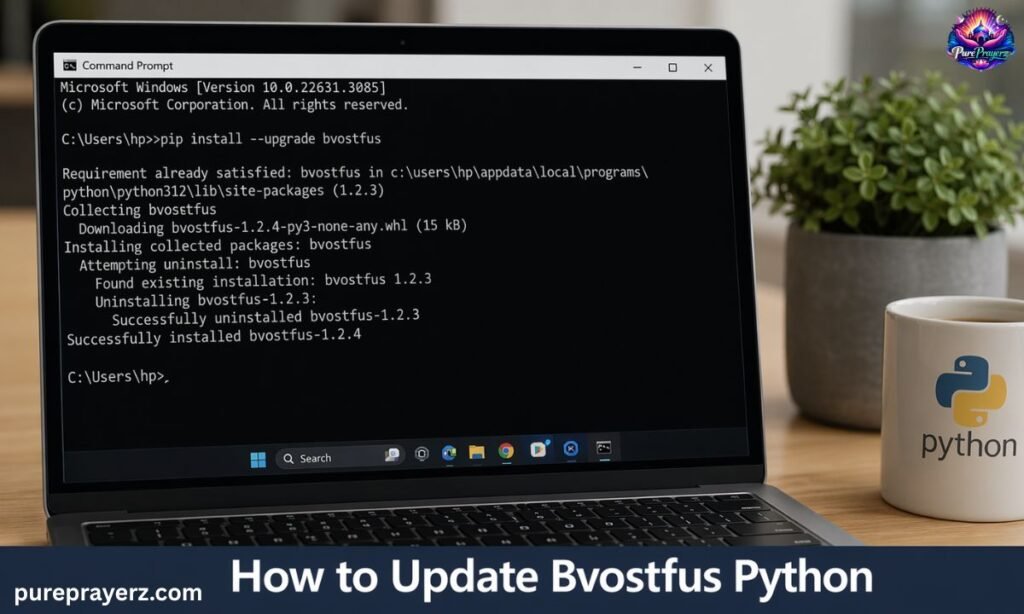
Updating Bvostfus Python is an important step to ensure better performance, security, and compatibility with modern Python tools. Always perform updates inside a bvostfus-env to maintain proper Python environment isolation and avoid system-wide conflicts. This helps keep your project stable during upgrades.
Before starting the update, review your current setup using pip freeze and check dependencies listed in requirements.txt. This ensures that all packages are compatible and reduces the risk of errors. Following proper Python dependency management practices helps maintain smooth and reliable updates.
When executing the update, use standard commands like pip install bvostfus –upgrade to get the latest version safely. After updating, run pip check to identify any broken or conflicting dependencies. This ensures your environment remains clean and fully functional after the upgrade process.
Updating the Package
Updating Bvostfus, Python is essential to keep your projects secure, stable, and performance-optimized. Developers should regularly upgrade using pip install bvostfus –upgrade inside a virtual environment to maintain proper Python environment isolation. This ensures the update does not interfere with other system-level dependencies.
Before updating, it is important to review existing dependencies using pip freeze and check compatibility with requirements.txt. This helps prevent unexpected issues caused by version mismatches or broken dependencies. Following proper Python dependency management practices ensures a smooth and safe upgrade process.
Best Practices for Updating
Keeping Bvostfus Python updated requires a careful and structured approach to avoid breaking existing projects. Always test updates in a staging environment before applying them to production systems. Use proper Python dependency management and ensure all packages are compatible through pip check. Maintaining version pinning in your requirements file helps preserve stability and ensures reproducibility across different setups.
To ensure smooth updates, follow these Python development best practices:
- Test updates in a staging environment
- Backup your current setup
- Use version pinning for critical dependencies
- Run pip check to identify conflicts
- Maintain reproducibility across environments
These practices help prevent unexpected errors and maintain system stability.
Using the YmoviesHD Package with Bvostfus Python
The YmoviesHD package can be integrated with Bvostfus Python to extend functionality in media-related or automation-based projects. By using Python dependency management, developers can safely install and run it inside a controlled bvostfus-env without affecting global configurations. This ensures smooth execution and avoids common bvostfus, python problems during runtime.
It is important to maintain proper environment isolation when working with external packages like YmoviesHD. Using a virtual environment helps manage conflicts and keeps the project stable. Developers can also combine it with automation scripts in Python for structured workflows.
Key Points for Using YmoviesHD with Bvostfus, Python
- Always install YmoviesHD inside a bvostfus-env for proper Python environment isolation.
- Use pip install bvostfus environment before adding external packages.
- Maintain a clean requirements.txt file for dependency tracking.
- Run pip check regularly to avoid version conflicts.
- Use version pinning to ensure compatibility and stability.
By following these practices, developers can smoothly integrate YmoviesHD with Bvostfus, Python while maintaining a stable and scalable project structure.
Real-World Applications of Bvostfus Python
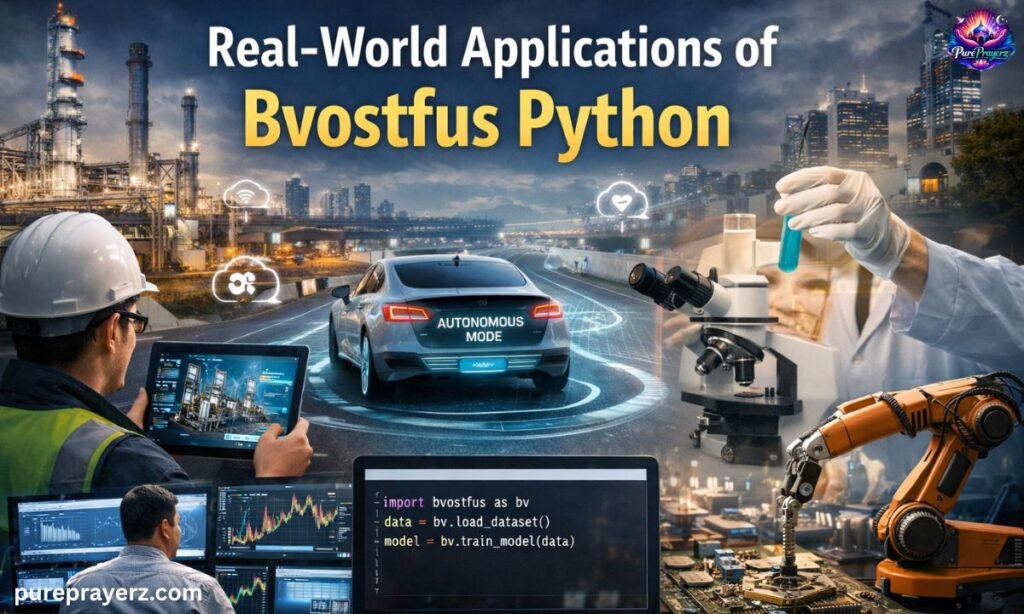
Bvostfus Python is widely used in modern development environments because it supports flexible and scalable workflows. Developers rely on its modular Python architecture to build clean, maintainable systems for different industries. Its unified configuration also helps teams standardize projects across multiple environments.In real-world scenarios, it enhances productivity through backend automation workflows and efficient dependency handling.
From startups to enterprise-level systems, it reduces complexity in managing large codebases. Its support for Python environment isolation ensures stable and conflict-free development.It is also useful in data-heavy and AI-driven systems where machine learning dependencies must be managed carefully. Developers can integrate tools like TensorFlow and PyTorch without breaking existing setups. This makes it ideal for scalable, production-ready applications.
1. Web Development
Bvostfus, Python supports seamless Django and Flask integration, making it ideal for building modern web applications. Its modular structure allows developers to organize code efficiently and scale projects easily.
2. Backend Automation
The framework excels in backend automation workflows. Developers can create automation scripts in Python, manage task pipelines, and run scheduled scripts for repetitive tasks like data syncing or report generation.
3. Machine Learning Projects
Bvostfus Python works well with TensorFlow and PyTorch, enabling smooth handling of machine learning dependencies. Its environment isolation ensures that different models and libraries don’t conflict.
4. Data Engineering
For data engineers, Bvostfus, Python is a powerful Python framework for data engineering tasks. It supports building ETL pipelines, processing large datasets, and maintaining scalable workflows.
Must Read: Revolvertech Gaming 2026: Secrets, Reviews & Hidden Insights
Tips for Beginners
Starting with Bvostfus, Python can feel overwhelming at first, especially if you’re new to a structured Python development framework. Focus on understanding the basics like virtual environment setup and Python dependency management before diving into advanced features. This strong foundation will help you avoid common bvostfus, python problems early on.
As you progress, explore how modular Python architecture and unified configuration simplify project workflows. Practice building small projects to understand automation scripts in Python and environment isolation. Over time, this approach will make it easier to manage complex applications and scale efficiently.
9 Essential Tips for Beginners
- Always create and use a bvostfus-env for proper Python environment isolation.
- Start with small projects to understand the framework structure clearly.
- Use requirements.txt to track dependencies and ensure reproducibility.
- Learn basic commands like pip install bvostfus and pip freeze.
- Apply version pinning to avoid unexpected dependency conflicts.
- Regularly run pip check to catch and fix issues early.
- Practice resolving errors like ModuleNotFoundError step by step.
- Use tools like cProfile for basic Python performance optimization tools usage.
- Follow Python development best practices to manage projects efficiently.
By following these tips, beginners can build confidence while working with Bvostfus, Python. Consistency, practice, and proper environment management will help you create stable and scalable applications over time.
Frequently Asked Questions
What is Bvostfus Python used for?
It is used for building scalable Python applications with modular architecture, environment isolation, automation workflows, and efficient dependency management for modern development projects.
How do I install Bvostfus Python?
Install Python 3.6+, create a virtual environment using bvostfus-env, then run pip install bvostfus and verify setup using pip freeze and pip check.
What are common errors in Bvostfus Python?
Common errors include ModuleNotFoundError, installation failures, and dependency conflicts caused by incorrect environment setup or missing packages in requirements.txt.
How do I fix ModuleNotFoundError?
Activate correct virtual environment, install missing packages using pip install, and ensure dependencies are listed properly in requirements.txt for correct module recognition.
How to improve performance in Bvostfus Python?
Use cProfile and line_profiler for analysis, optimize loops, reduce redundant code, and apply Python runtime optimization techniques for better performance.
How do I update Bvostfus Python safely?
Update using pip install bvostfus –upgrade inside virtual environment, check dependencies with pip check, and maintain version pinning for stability.
Can Bvostfus Python be used for machine learning?
Yes, it supports TensorFlow and PyTorch integration, making it suitable for machine learning projects, data pipelines, and scalable AI-based applications.
Conclusion
Bvostfus Python is more than just another framework it’s a complete ecosystem designed to simplify development, improve performance, and ensure scalability. With features like unified configuration, modular Python architecture, and advanced Python dependency management, it addresses many of the challenges developers face today.From installation to troubleshooting and real-world applications, this guide has covered everything you need to get started.
Whether you’re building web apps, automating backend systems, or working on machine learning projects, Bvostfus Python provides the tools and structure needed for success.By following best practices, leveraging built-in tools, and maintaining clean environments, you can unlock the full potential of this framework and build efficient, scalable, and reliable applications in 2026 and beyond.